
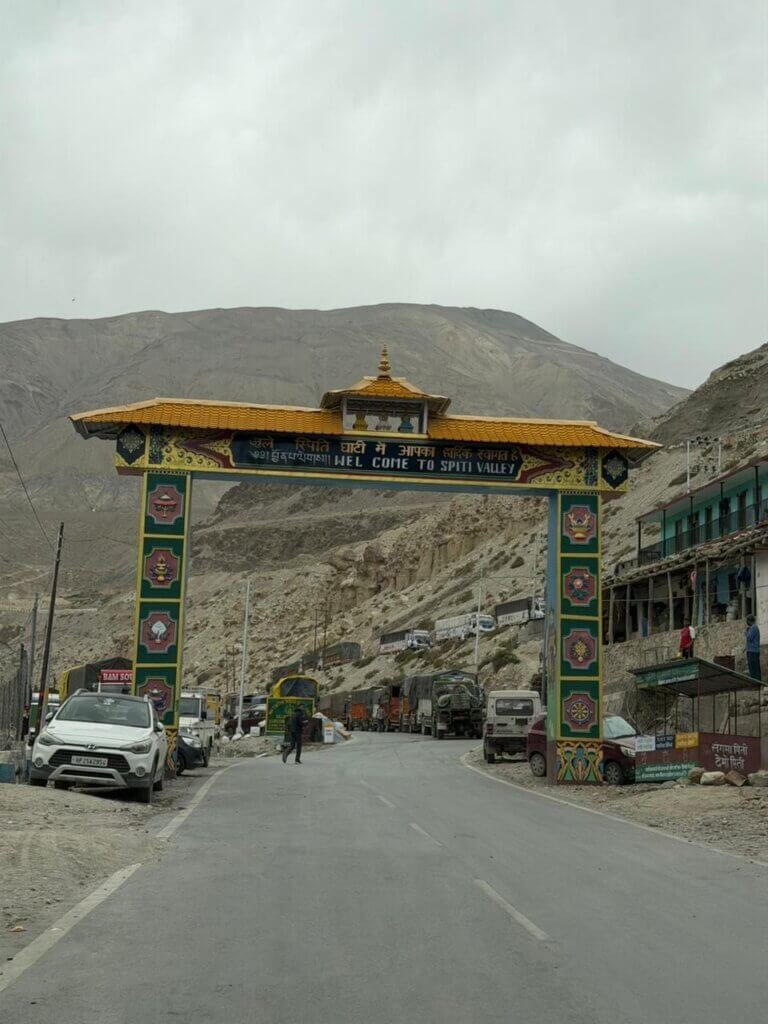

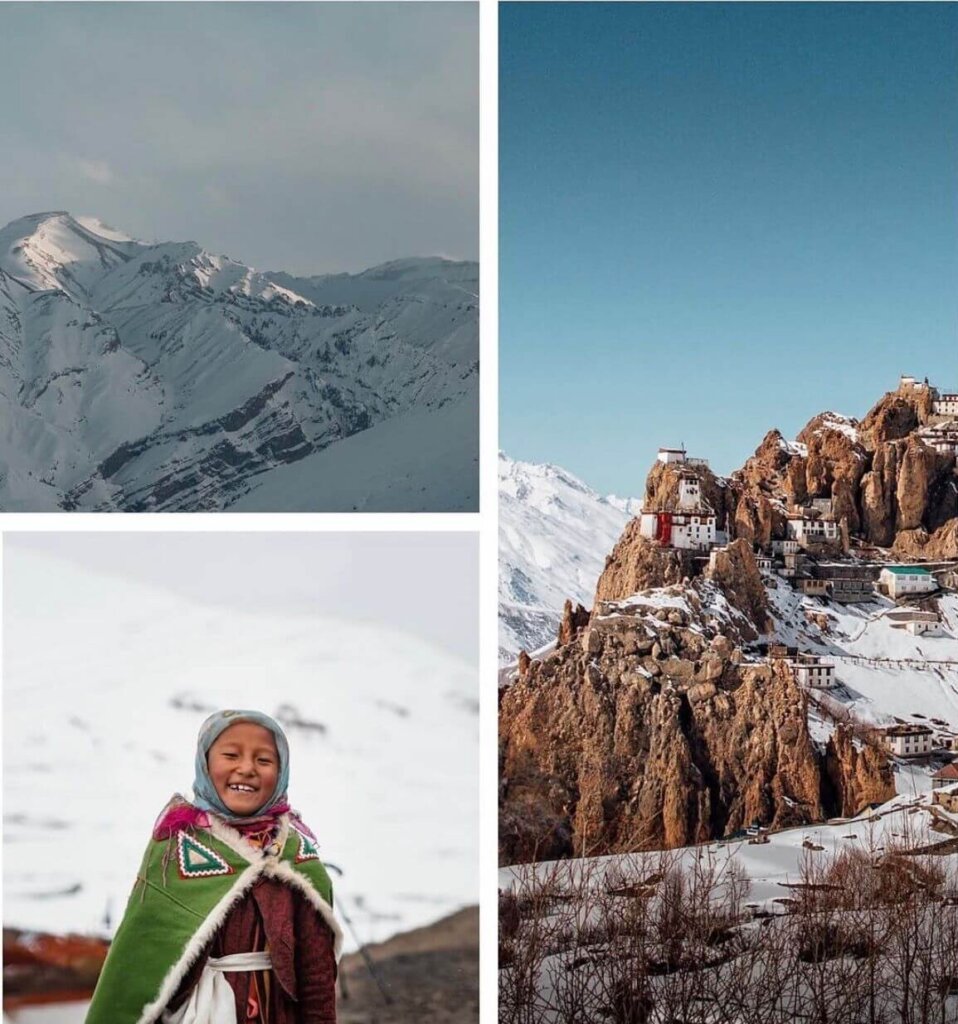
There are road trips, and then there is Spiti Valley.
A journey where the roads disappear into mountains, rivers flow beside cliffs that seem untouched by time, and every turn feels like a scene from a film you never want to end.
Known as the Middle Land between India and Tibet, Spiti Valley is not just a destination. It is an experience of raw Himalayas, ancient monasteries, remote villages, star-filled skies, and roads that challenge and reward you at the same time.
But one question determines the success of your trip more than anything else: is What is the Best Time to Visit Spiti Valley?
When is the Best Time to Visit Spiti Valley?
The answer depends entirely on the experience you are looking for.
Spiti Valley Weather & Seasons Explained
May to June – Snow Walls, Fresh Roads & Adventure
For many travellers, this is the most magical time to visit Spiti.
Winter begins to loosen its grip, mountain passes start opening, and gigantic walls of snow line the roads near Kunzum Pass and Chandratal.
Perfect For:
- Snow lovers
- Photographers
- First mountain expeditions of the year
- Road trip enthusiasts
Temperature:
- Day: 10°C – 20°C
- Night: -2°C – 5°C
What Makes It Special?
- Freshly opened mountain roads
- Snow-covered landscapes
- Fewer tourists compared to peak summer
- Stunning contrast of blue skies and white mountains
The only thing to remember is that road conditions can still be unpredictable as authorities continue clearing snow from higher passes.
Also Read: Luggage Van Rental in Chandigarh & Delhi NCR | Wedding & Event Transport
June to September – The Classic Spiti Season
If you are visiting Spiti for the first time, this is widely considered the best period.
Both major routes remain operational:
- Shimla – Kinnaur – Spiti
- Manali – Kunzum Pass – Spiti
The weather is pleasant, villages are lively, homestays are fully operational, and most tourist attractions remain accessible.
Temperature:
- Day: 15°C – 25°C
- Night: 5°C – 10°C
Best For:
- Families
- Couples
- Luxury travellers
- Self-drive enthusiasts
- Photography tours
This is also the ideal period for completing the famous Spiti Circuit.
September to October – The Hidden Gem Season
Ask experienced Spiti travellers their favourite month and many will say:
September.
The crowds begin reducing, skies become dramatically clearer, and the mountains turn golden.
The roads remain accessible while the valley feels quieter and more intimate. Many travellers consider this the most beautiful time to experience Spiti.
Appropriate For:
- Couples
- Luxury road trips
- Content creators
- Photographers
- Peace seekers
November to March – White Spiti
This is not tourism. This is survival.
Temperatures drop dramatically and snowfall cuts off several routes. The Manali side remains inaccessible while entry is possible only through the Shimla-Kinnaur route.
Most Thrilling For:
- Experienced travellers
- Snow lovers
- Extreme adventure seekers
- Winter photographers
How to Reach Spiti Valley from Chandigarh
For travellers beginning from Chandigarh, there are two primary approaches.
Route 1: Chandigarh → Shimla → Kinnaur → Spiti (Recommended)
This is considered the safest and most scenic route because it allows gradual acclimatisation to the altitude.
Major Stops:
- Chandigarh
- Shimla
- Narkanda
- Rampur
- Sarahan
- Sangla Valley
- Chitkul
- Kalpa
- Nako
- Gue Village
- Tabo
- Dhankar
- Pin Valley
- Kaza
Why This Route Is Better
Your body gradually adjusts to increasing altitude, significantly reducing the chances of Acute Mountain Sickness (AMS), a common issue in Spiti.
How to Reach Spiti Valley from Delhi NCR
Travellers from Delhi NCR usually follow one of these two options.
Option 1: Delhi → Chandigarh → Shimla → Kaza
Best for:
- Families
- Couples
- First-time travellers
- Luxury road trips
Distance:
Approximately 750–800 km depending on the route.
Option 2: Delhi → Manali → Kaza
Best for:
- Adventure seekers
- Experienced mountain travellers
- Short-duration trips
Distance:
Approximately 730 km.
This route includes:
- Manali
- Atal Tunnel
- Gramphu
- Chhatru
- Batal
- Kunzum Pass
- Losar
- Kaza
The journey is shorter but considerably tougher due to rapid altitude gain and rough terrain.
The Complete Spiti Circuit: Every Major Stop You Should Not Miss
Shimla
The gateway to the Himalayas and the perfect place to begin your gradual climb.
Narkanda
Known for apple orchards, pine forests, and beautiful Himalayan views.
Sangla Valley
A lush paradise tucked inside Kinnaur with rivers, forests, and charming villages.
Chitkul
The last inhabited village near the Indo-Tibetan border and one of the most beautiful villages in India.
Kalpa
Famous for breathtaking views of the Kinnaur Kailash range.
Nako
A tiny Himalayan village centred around a serene lake.
Gue Village
Home to the mysterious 500-year-old naturally preserved mummy.
Tabo
Known for the ancient Tabo Monastery, often called the “Ajanta of the Himalayas.”
Dhankar
Perched dramatically above a cliff, offering some of the most spectacular views in Spiti.
Pin Valley
A hidden wonder filled with dramatic landscapes, wildlife, and authentic Himalayan culture.
Kaza
The heart of Spiti Valley and the ideal base for exploration.
Key Monastery
The most iconic monastery in Spiti and a must-visit for every traveller.
Kibber
One of the world’s highest inhabited villages connected by road.
Chicham Bridge
One of Asia’s highest suspension bridges and among the most photographed spots in Spiti.
Hikkim
Home to the world’s highest post office.
Komik
Among the highest motorable villages in the world.
Langza
Famous for fossils, giant Buddha statues, and incredible mountain views.
Kunzum Pass
The dramatic gateway connecting Spiti with Lahaul Valley. Open only for a limited season every year due to heavy snowfall.
Chandratal Lake
A surreal crescent-shaped lake often called the Moon Lake of Himachal.
Manali
The perfect ending to one of India’s greatest road trips.
Why HiWay Cabs Is the Perfect Spiti Valley Companion
Spiti is not a destination where you simply hire a taxi.
It is a destination where your vehicle, driver, planning, and mountain experience become critical to your safety and comfort.
At HiWay Cabs, we specialise in luxury road journeys across North India and have extensive experience navigating challenging Himalayan terrain.
What Makes HiWay Cabs Different?
✅ Experienced mountain chauffeurs
✅ Well-maintained Innova Crystas, SUVs, Tempo Travellers & luxury vehicles
✅ Drivers trained for high-altitude routes
✅ Comfortable long-distance travel from Chandigarh, Delhi NCR, Gurgaon & Amritsar
✅ Customized Spiti itineraries
✅ Airport pickups and complete trip coordination
✅ Reliable support throughout the journey
Whether you are planning:
- A couple’s escape
- A family holiday
- A luxury Himalayan road trip
- A content creation expedition
- A corporate retreat
HiWay Cabs ensures that your focus remains on the mountains while we handle the roads.
Final Verdict: When Should You Visit Spiti?
If you want the best overall experience:
June to September remains the ideal window.
If you want fewer crowds and stunning photography opportunities:
September is arguably the most rewarding month.
And if you want to experience one of the greatest road journeys in the Himalayas without worrying about routes, vehicles, road conditions, or logistics, let HiWay Cabs become your trusted companion through the mountains.
Because some journeys are too beautiful to be rushed — and too important to leave to chance.
Also Read: Luxury Car Rental in North India Made Effortless with HiWay Cabs
Frequently Asked Questions
- The best time to visit Spiti Valley is from May to October, when roads are open and weather conditions are favorable. June to September is ideal for sightseeing, while October offers beautiful autumn landscapes with fewer crowds.
Spiti Valley can be reached by road via:
- Chandigarh → Shimla → Kinnaur → Kaza (open most of the year)
- Delhi → Chandigarh → Shimla → Kaza
- Manali → Kunzum Pass → Kaza (typically open from June onwards)
HiWay Cabs offers chauffeur-driven SUVs, Innovas, Crystas, and Tempo Travellers for both routes.
For Spiti Valley, the most recommended vehicles are:
- Toyota Innova Crysta
- Toyota Fortuner
- Tempo Traveller (for groups)
- 4×4 SUVs for adventurous routes
All vehicles should be well-maintained and suitable for mountain terrain and high-altitude travel.
A complete Spiti Valley circuit usually requires:
- 6–7 days for a short trip from Chandigarh
- 8–10 days for a relaxed itinerary including Kalpa, Nako, Tabo, Dhankar, Kaza, Hikkim, Komic, Langza, and Chandratal
Yes. Travelling with an experienced driver is one of the safest ways to explore Spiti Valley. Professional drivers are familiar with mountain roads, weather conditions, fuel stops, permit requirements, and high-altitude routes, making the journey more comfortable and stress-free.
HiWay Cabs provides experienced hill drivers, clean and well-maintained vehicles, 24×7 operational support, customized itineraries, and pickup services from Chandigarh, Delhi NCR, Amritsar, and other North Indian cities, ensuring a safe and seamless Spiti Valley experience.